Best. Design. Exercise. Ever.
I was given the most fun design exercise ever during a job interview: create an iOS app that uses teleportation to instantly transport you from one place to another.
I had an absolute blast, and I’d love to show you where it led: a travel app with no directions, no traffic, and no “on my way.”
The brief
The app needed to:
Get you to the places you go every day, like work and home
Get you somewhere far away, like the Eiffel Tower or the Pyramids
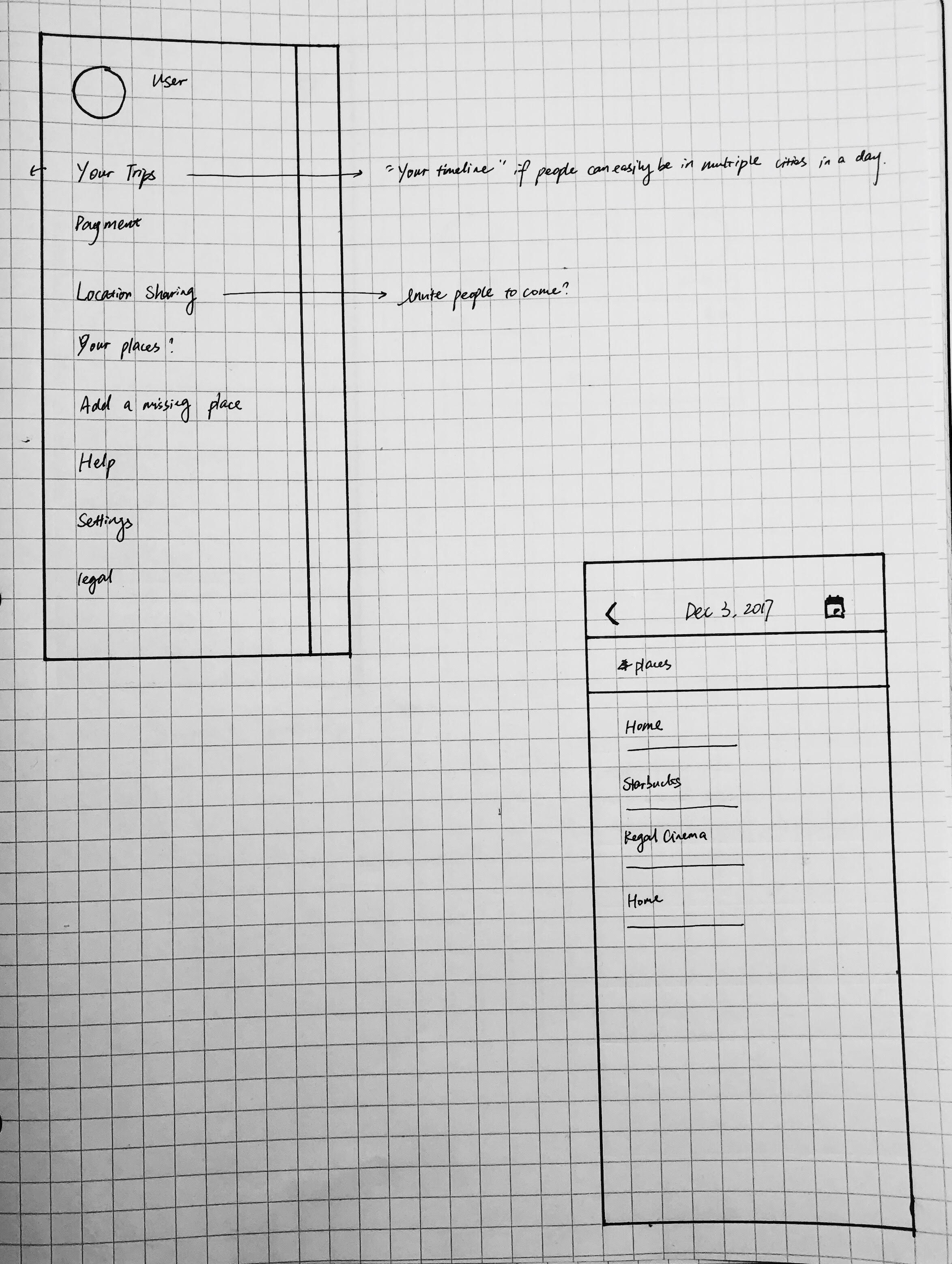
Show you where you’ve teleported before
It also had to address two open questions. What goes wrong when you can’t see where you’re about to appear? And how could the app work with iOS and with other apps?
Starting on paper
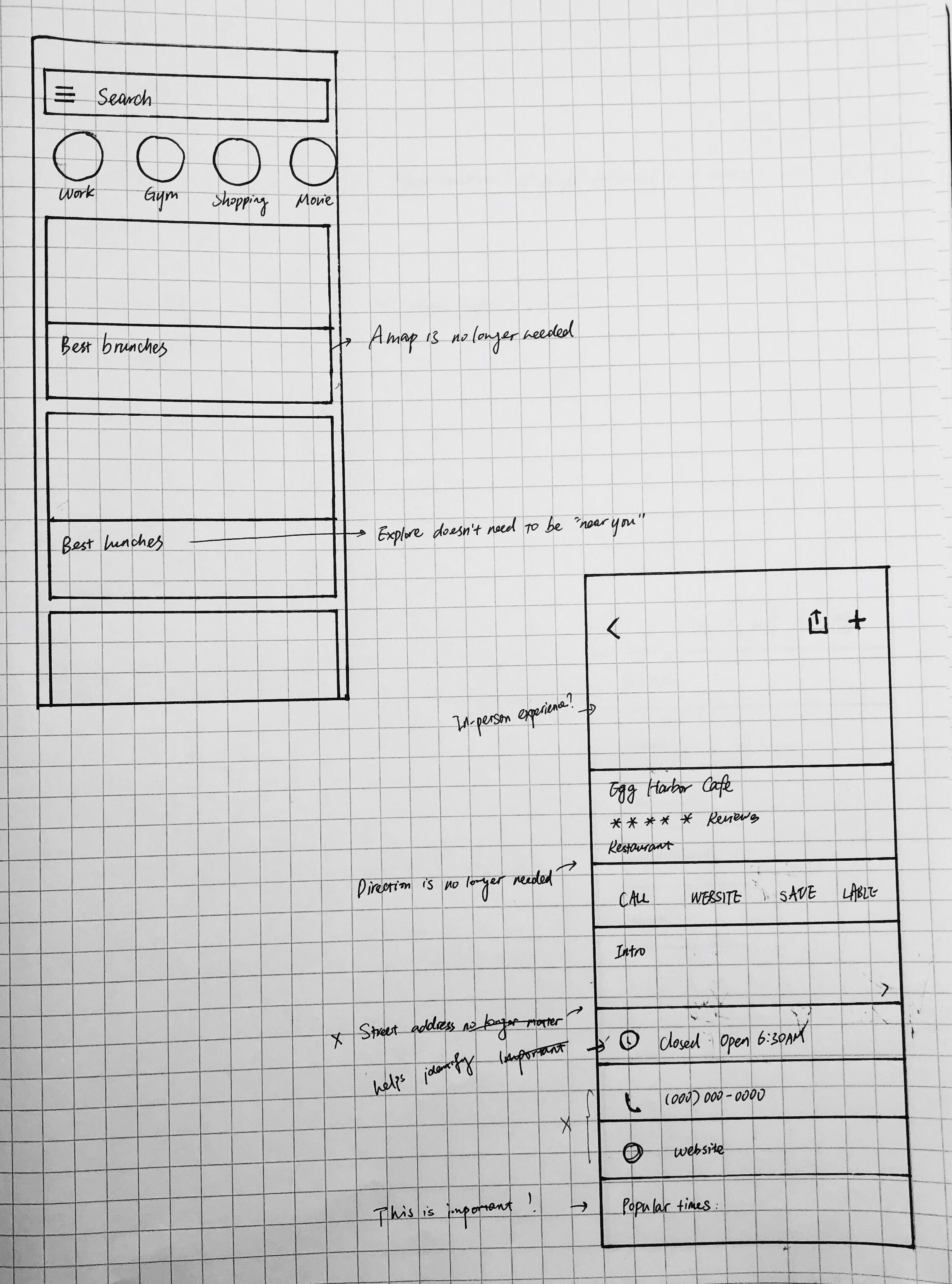
I spent the first half hour sketching and writing notes beside each screen about what teleportation would change. Directions: gone. Traffic and arrival times: gone. Recommendations limited to places “near you”: not anymore.
Other things suddenly mattered a lot more. Next to how busy a place is, I wrote: “This is important!” Next to trip history: “‘Your timeline,’ if people can easily be in multiple cities in a day.”
When is the best time to go?
When you can be anywhere in seconds, there’s no more planning a trip weeks or months ahead. You can go the moment it suits you best, so the question is when that moment is.
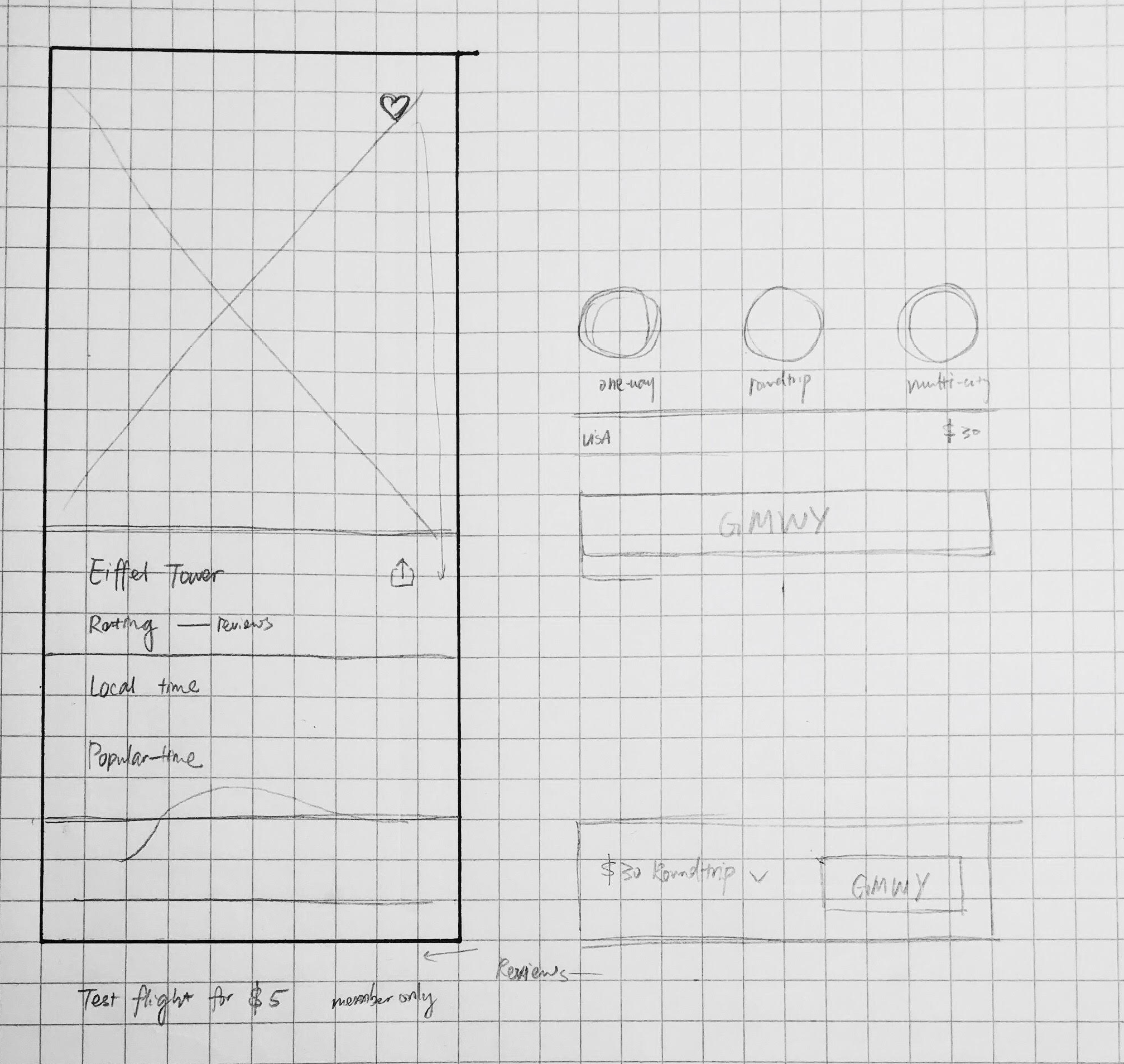
The place page answers those questions first:
Local time and weather where you’re going, not where you are
A crowd forecast for the next 24 hours so that you can pick the best moment
A plan B when it’s full. According to Star Trek, teleportation takes you apart atom by atom and puts you back together on the other side. Do that to a hundred people in the same crowded spot at once, and things could get messy! Instead, you can get a notification when it quiets down, or go to a similar, less crowded place right now, anywhere in the world.
A quick look first. Not sure it’s worth it? “See it myself” drops you there for five minutes, then brings you back automatically.
Where exactly will you appear?
No airport, no train station, no parking lot a few blocks away. Teleportation drops you exactly where you want to be: the café table by the window, the best viewpoint of the tower. That freedom comes with a catch. A carelessly chosen spot could put you in the middle of a road, or inside a wall.
I designed it to narrow down in two steps:
Drop a pin on a map. A map lets you cover a lot of ground quickly.
Fine-tune with street-level imagery. Live Street View shows exactly what’s around the spot right now. A tap only travels a few meters (feet), so it comes second once you’re already close.
Far away becomes everyday
The brief separated places you go every day from places far away, but teleportation blurs that line. Coffee in London before a 9 am meeting in New York, then home for dinner, becomes an ordinary day.
So the home screen treats them the same way:
My places keep work, the gym, and family one tap away.
Recommendations change with the time of day and your habits, from anywhere in the world: the best espresso, a quick lunch, a sunset worth seeing.
Pricing works like a subscription. Monthly plans cover your trips, near or far, and higher tiers add extras like “See it myself.” If you go over your plan’s limit, you can buy extra trips, so you’re never stuck at home.
Because there’s no route to follow, you don’t need to look at the screen at all. “Siri, book me a Getaway” sends you to a saved place without opening the app.
I lost the Sketch file. Reworking on it now…
What I’d do next
With more time, I would:
Register a new user. The teleportation device needs to know you very well to take you apart and put you back together, so signing up could work more like setting up Face ID than creating an account.
The full everyday flow. My places and Siri already put everyday trips one tap away. Next, I’d design what happens after that tap. A saved place already has an arrival spot, and everyday trips are covered by the monthly plan, so the trip to work could skip straight to “Go.”
Group travel vs. invitations to join. If there are no more road trips, does group travel still make sense? Or is it simpler to invite friends to meet you there?
Think through what happens around the trip. Who’s allowed into private spaces, customs for international trips, and teleporting out of danger in an emergency.
What I learned
Removing the trip didn’t make the app simpler. It just moved the hard decisions elsewhere. The most useful thing I did was question which parts of familiar apps still applied, then design for the questions that took their place.